


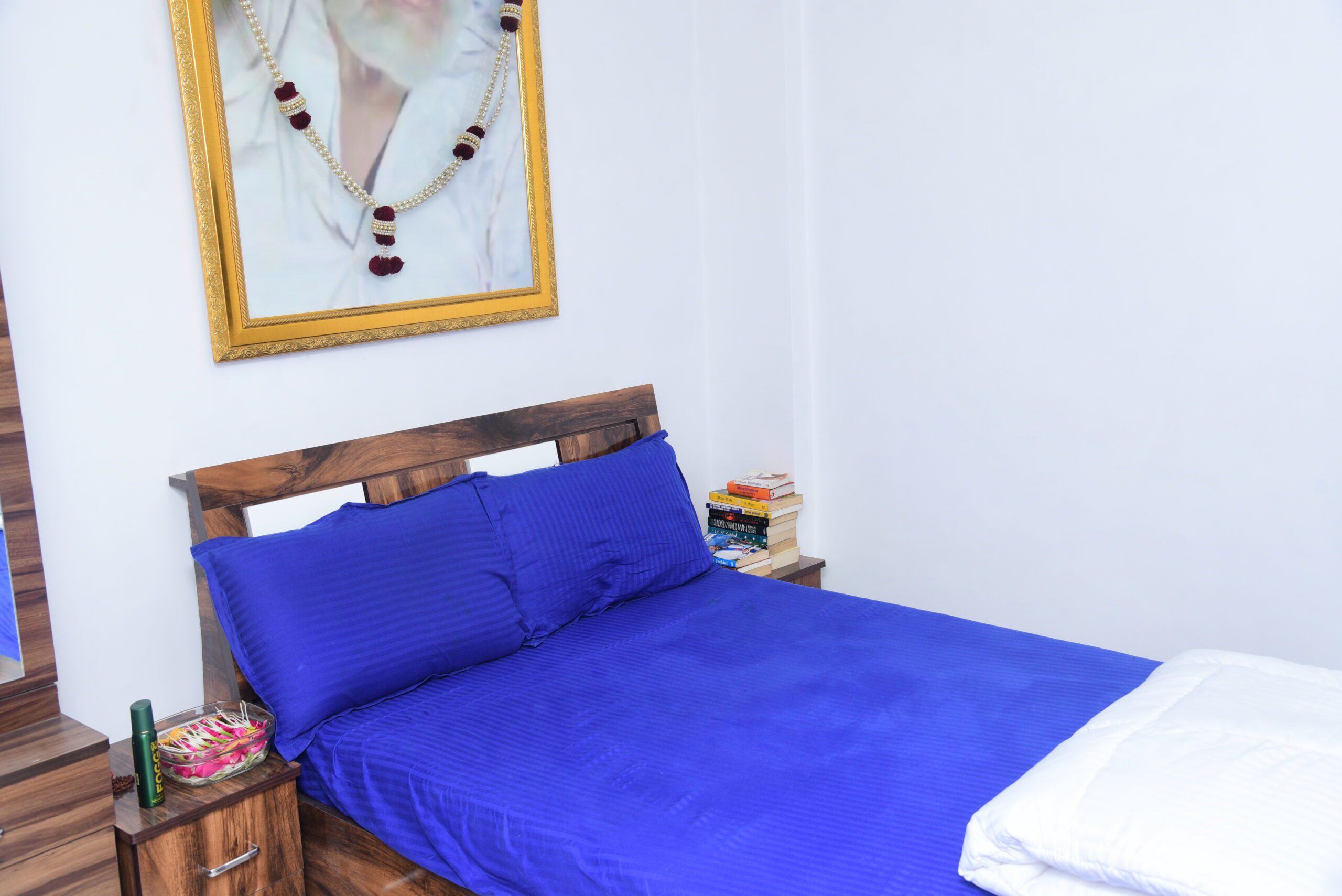


Trucare Trust is a luxurious rehabilitation centre in Mumbai, India. Our rehab is situated on the picturesque Yeoor hills in Thane and surrounded by calming greenery. We have several facilities at our rehab in Mumbai such as organic farming, gym, library, pool table and swimming pool – all of them are great for relaxation or trying out board games between therapy sessions. Providing patients with a homely environment, Our rehab centre in Mumbai boast luxurious bedrooms and an expansive lawn area.
Trucare Trust is one of the best rehabilitation centre in India offering professional, compassionate and evidence based addiction and mental health treatment. Located in Thane, Mumbai, we provide both alcohol rehabilitation and drug rehabilitation services, along with specialized programs for gambling, gaming, internet, social media and porn addiction.
With a more than a decade of experience in the field of addiction treatment and mental health, our aim is to help you free yourself from the clutches of addiction and regain control of your life. At Trucare Trust, we understand recovery doesn’t just end after treatment at our rehabilitation centre, therefore, we provide you with the whole support and care throughout the process. We work to treat every aspect of a persons addiction through medical treatment, psychological therapy and lifestyle coaching.
We provide our patients the same dignity and respect that each person deserves, we create a safe and healing place for patients to recover and rebuild their lives. Our comprehensive treatment plans are tailored to cater to your specific needs, whether you are searching for drug rehabilitation in Mumbai, alcohol rehabilitation centre in Mumbai or a nasha mukti kendra in Mumbai.
At Trucare Trust, we specialize in treating a variety of addiction-related issues. Our rehabilitation programs are designed to provide holistic and tailored care, allowing each patient to embark on their own personal recovery journey.

Our alcohol rehabilitation centre in Mumbai offers a comprehensive alcohol addiction treatment program to help individuals overcome alcohol dependency. We begin with medically supervised detox to safely cleanse the body, followed by individual counseling, group therapy and give them life skills training. This allows them to gain insights into the underlying reasons for their addictive behaviour and create a blueprint for maintaining sobriety.

Our drug rehabilitation centre in Mumbai offers a comprehensive drug addition treatment program to help individuals overcome drug abuse. We provide a supportive environment for individuals struggling with drug addiction. Our treatment method includes detoxification, therapy and aftercare services. We employ various therapeutic approaches, including Cognitive Behavioral Therapy (CBT), to help individuals break free from substance abuse.

Our gambling rehabilitation centre in Mumbai offers a comprehensive gambling addiction treatment program to help individuals overcome gambling addiction. Our gambling addiction treatment program uses a combination of various therapies, mindfulness practices and lifestyle coaching to help individuals regain control over their gaming habits and reconnect with the real world.

If you are searching for gaming addiction treatment, Trucare Trust is here to help. Our gaming addiction rehabilitation centre in Mumbai is focused on helping individuals establish a healthy balance – through therapy, mindfulness techniques and lifestyle mentoring, we support those struggling with gaming in managing their gaming habits and reintegrating into the real world.

For those affected by excessive internet use, social media use, our internet addiction rehabilitation centre in Mumbai offers a structured treatment that focuses on addressing the underlying psychological factors of internet addiction. We guide individuals in developing healthy online habits through therapy and lifestyle changes.

Trucare Trust’s Vaping Addiction Treatment in Mumbai assists in overcoming dependency through therapeutic techniques, counseling and lifestyle alterations. We offer highly specialized treatment that addresses the psychological and behavioral components of addiction in a caring environment. By providing holistic support, we help people reach a healthier, vape-free life that they can maintain long after treatment is complete.
In addition to addiction treatment in Mumbai, Trucare Trust provides compassionate care for a range of mental health disorders. Whether you are struggling with anxiety, depression, PTSD or any other mental health conditions, our experienced and expert team is here to support you.

We provide customized approaches to manage symptoms such as inattention, impulsivity, hyperactivity in our ADHD treatment in Mumbai. Our approach is for the long-term, combining therapy alongside coaching and medication management.

Trucare Trust offers specialized treatment for bipolar disorder. We offer a blend of medication management, individual sessions, and support groups as part of our program that allow people to stay in control of their ups and downs and have a well rounded life.

Trucare Trust’s Mental Health Treatment Program utilizes CBT and other therapeutic approaches to help patients challenge negative thoughts and develop tools to better manage their emotional well-being, making it ideal for Depression Treatment in Mumbai. We develop personalized approaches to long-term healing and self-care practices.

Schizophrenia is a chronic mental health condition that requires long-term treatment. There’s nothing wrong with seeking specialized treatment for schizophrenia include medication, therapy and support to help individuals manage their symptoms and lead fulfilling lives.

Obsessive Compulsive Disorder (OCD) can be excruciating and debilitating, however, it is manageable with proper intervention and treatment. The right steps with the right treatment for OCD can suffice ERP therapy is the right approach to help a person combat the compulsions and thoughts associated with the disorder.

Trucare Trust provides PTSD treatment in Mumbai for individuals who have gone through traumatic experiences. Some of the techniques that we use are trauma-focused therapies similar to EMDR. EMDR helps process the experience and recover from the emotional, psychological and even physical impact of the trauma.
At Trucare Trust we believe in healing the whole individual. Our concept of successful treatment is not only addressing addiction or mental health issues but bringing one’s emotional and physical wellbeing back to a healthy state. Here’s our approach to treatment:


It can be tough to admit that you need professional rehabilitation centre in Mumbai, but it’s important to do so as soon as possible. If you or someone in your family do any of the following, it may be time to take help of a drug and alcohol rehabilitation centre in Mumbai:
If you relate to any of these signs, Trucare Trust – Best Rehab in Mumbai can guide you towards recovery. We are one the the top-rated de-addiction centre in Mumbai & NAsha Mukti Kendra in Mumbai. Contact us today for more details on our addiction treatment program in Mumbai.
Our Rehab Centre in Mumbai (Nasha Mukti Kendra in Mumbai) is dedicated towards delivering quality care. So, what makes us different from other rehabilitation centres in India?
Choose Trucare Trust – De-Addiction Centre in Mumbai to begin your new journey towards a lasting recovery.

Posted on GoogleTrustindex verifies that the original source of the review is Google. Posted on GoogleTrustindex verifies that the original source of the review is Google. BEST REHAB IN INDIAPosted on GoogleTrustindex verifies that the original source of the review is Google. I would like to express my deepest gratitude to the TrueHumanity Foundation for their incredible support and guidance in helping me overcome personal challenges. Their holistic approach, including the principles of the Narcotics Anonymous (NA) program, has been a cornerstone of my journey to healing. The foundation’s focus on spirituality, self-reflection, and community support has been transformative, helping me connect with a deeper purpose and gain lasting inner strength. I especially want to thank Ashish Sir and Mohit Sir, who have been a constant source of encouragement and wisdom throughout my journey. Their personal attention, insights, and unwavering support made a real difference, empowering me to regain control of my life and embrace a healthier, more fulfilling path. I wholeheartedly recommend the TrueHumanity Foundation to anyone seeking a compassionate and spiritually enriching path to well-being.Posted on GoogleTrustindex verifies that the original source of the review is Google. This place is amazing! All of the staff is kind, professional and goes above and beyond for the patients. The vibe in this place is so positive and uplifting. The patients even help each other out. Every patient here has a story about how they ended up here needing these services to get them back on their feet. We all have an understanding and empathy for each other. Life is hard. This place makes it lot easier. I could go on and on listing all the great things about this place. Highly recommend this place to anyone who needs a safe place to help them heal.Posted on GoogleTrustindex verifies that the original source of the review is Google. Need to stay here how many months?if person is working how can manage.?please suggestPosted on GoogleTrustindex verifies that the original source of the review is Google. It's change my life and I will been on track and the support of staff and the councillors change me totally and i still in touch with my sirs and they always help me to be stable be clam and grow for a bright future ✨️Posted on GoogleTrustindex verifies that the original source of the review is Google. Posted on GoogleTrustindex verifies that the original source of the review is Google. Excellent workPosted on GoogleTrustindex verifies that the original source of the review is Google. Gratitude for this placePosted on GoogleTrustindex verifies that the original source of the review is Google. Nice place, good staff, healthy environment thank you all for treating my dadLoad moreGoogle rating score: 4.8 of 5, based on 153 reviews
Survey No.7, Ashram Road, Bendipada, Yeoor Hills, Thane West, Mumbai, Thane, Maharashtra 400606
contact@trucaretrust.org
Trucare Trust is a leading private psychiatric nursing home and center for de-addiction and rehabilitation of alcohol and drug addicts in Mumbai. We are an accredited mental health treatment centre, ISO 9001:2015 certified and renowned for providing exceptional treatment for various addictions.
